I Asked AI Over 500 Questions in Italy. It Never Forgot a Single One. | Edition 297
Edition 297 — Three weeks, one AI, hundreds of questions — and the story of what happened when it started remembering the answers.
Most people think of AI as a better Google. After three weeks traveling through Italy with it running in my pocket, I think that's aiming too low.
Google answers questions. This time, AI helped us travel — not because it knew more facts, but because it understood the context behind every decision we made, and then carried that context into the next one.
Over three weeks I asked it well over 500 questions. Some were throwaway: “How many Fahrenheit is 38°C?” Others weren't questions a search engine could touch at all: “We're tired, it's 96°F, we don't want to walk much, we're staying in Parma, we love great food — what's the best day trip?” The answer wasn't a list of links. It was an itinerary.
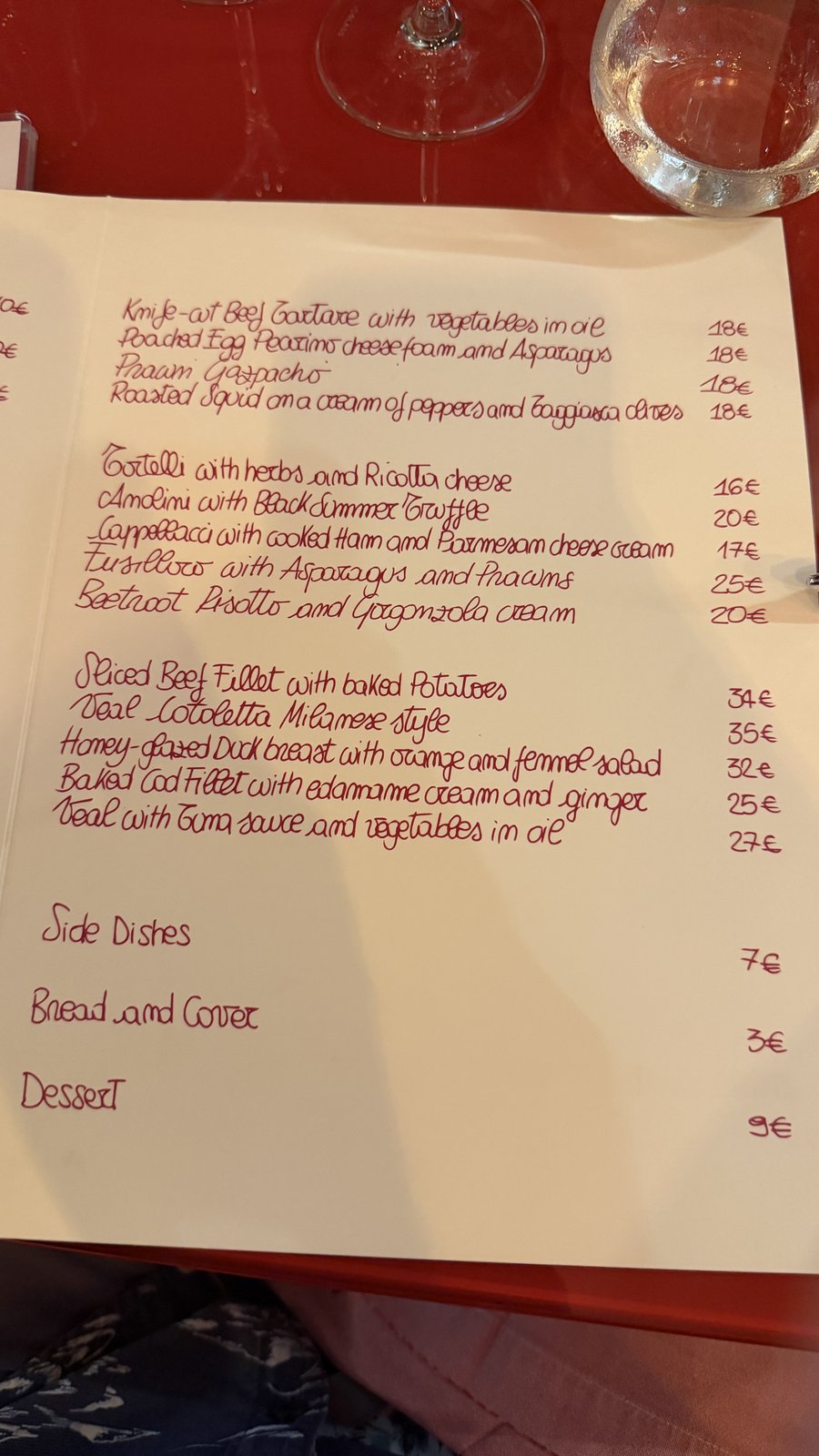
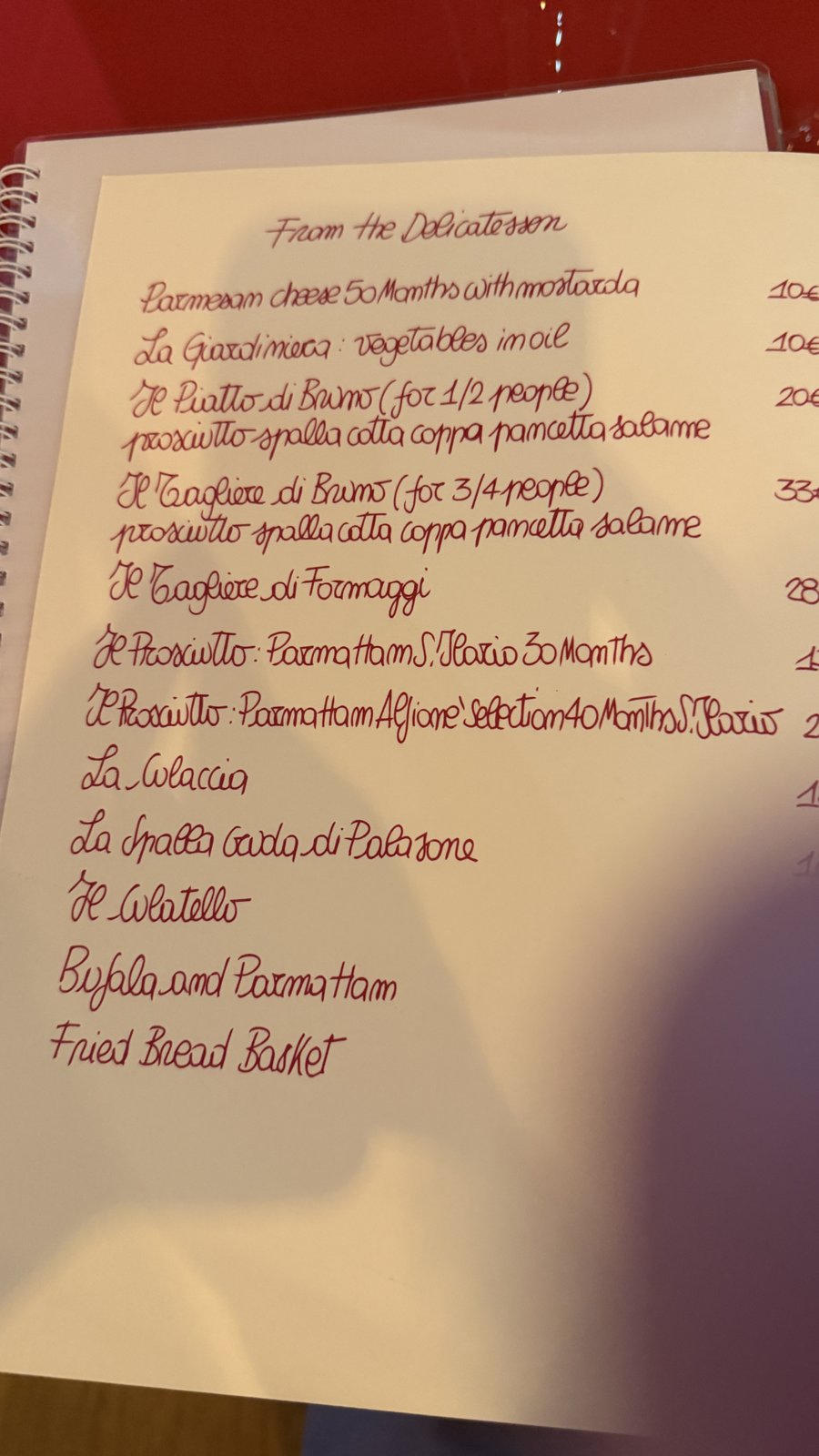
A menu became a conversation
Opening an Italian menu, I did not want a translation. I wanted advice.
Then it started remembering. By the second week it knew we kept gravitating toward grilled veal chops, regional pasta, and traditional trattorias — and that my wife Robin does not eat seafood or lamb. That is not translation. That is a recommendation from someone who has been traveling with you.
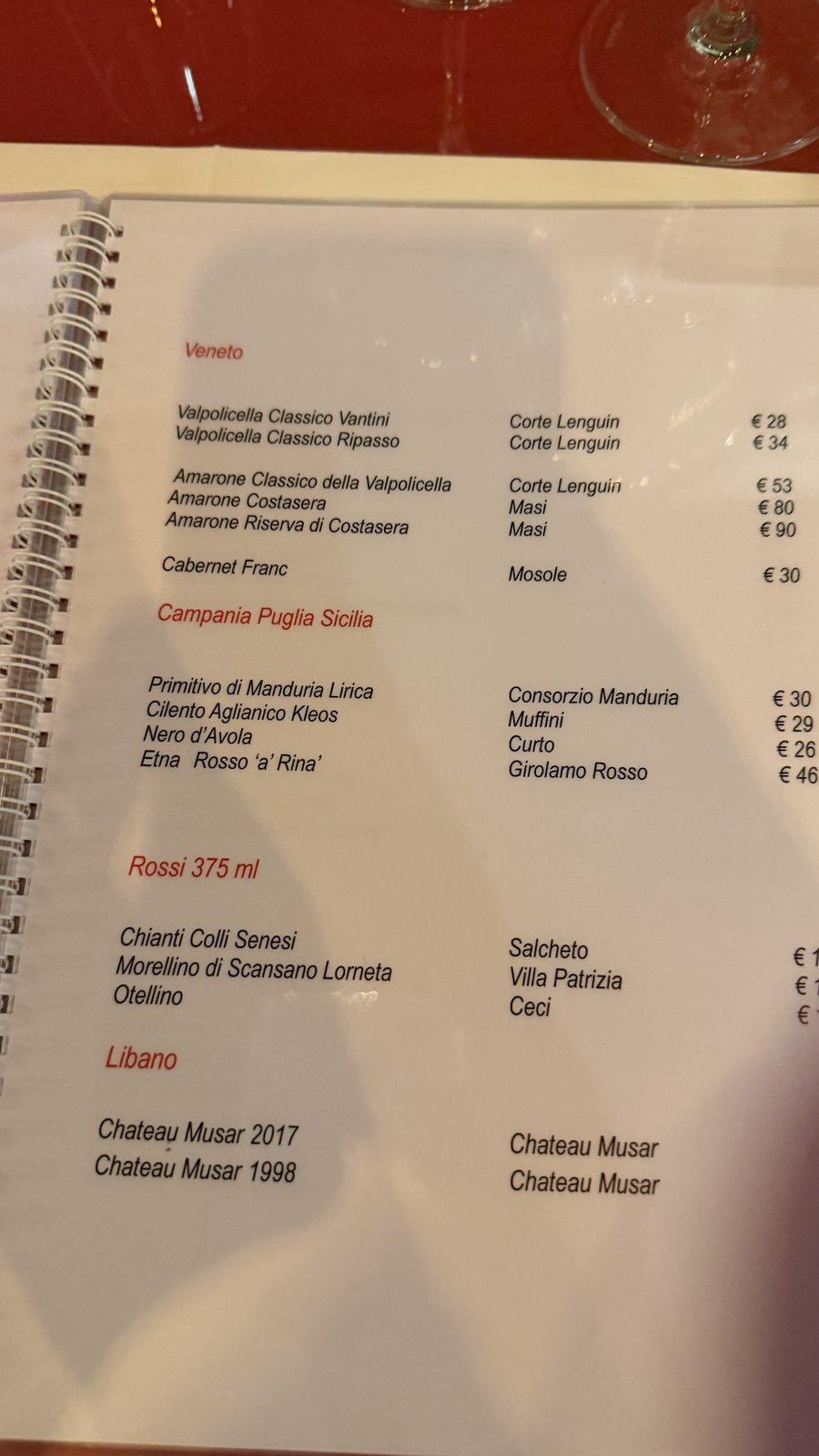
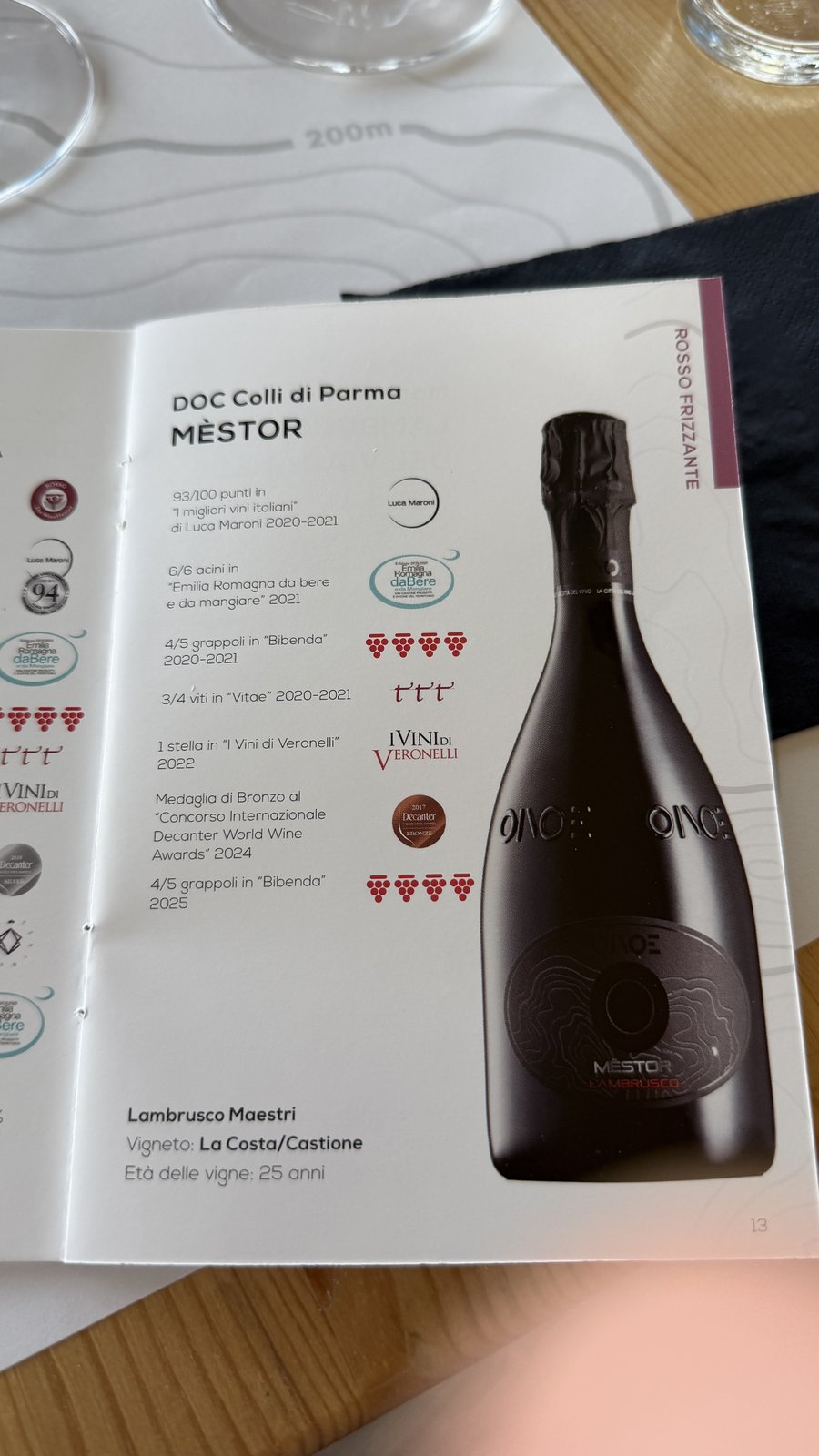
Wine lists finally made sense
Instead of parsing grape names I did not recognize, I just asked which bottle to order. I got body, tannins, sweetness, region, producer, value, and pairing — and more than once, a suggestion to spend less because the cheaper bottle was the better one.
It planned entire days
One morning we had a few free hours and one open-ended question: “Build the best day.” It weighed transportation, walking distance, heat, restaurant timing, and everything we had said we liked earlier in the trip, then produced a full plan — trains, food, sequencing — the way a travel advisor would, not the way a search engine does.
It explained everything around us
A wheel of Parmigiano Reggiano stopped being just cheese: why it is made with calf rennet, why inspectors tap every wheel with a small hammer listening for flaws, why production is restricted to a handful of provinces in Emilia-Romagna, and why a single wheel can retail for around $1,000. Traditional balsamic vinegar got the same treatment — why the barrels get smaller as the vinegar ages through them, and why some bottles become family heirlooms passed down for generations. Every museum stop got more interesting once every object had a story attached to it.
It solved problems, not just questions
Across three weeks it also: fixed a hotel Wi-Fi issue, diagnosed a broken eSIM install, found restaurants with actual parking, compared rental car options, translated hotel instructions, converted temperatures and speed limits, wrote an email in Italian, and explained a confusing bill. None of that is what a translator does. That is what a travel companion does.
The best part: it got better as the trip went on
Google starts over every search. This did not. By week three it remembered the wines we had loved, the restaurants that worked, how much walking we actually wanted to do, that we preferred traditional table service, and which dishes we had already tried — so every new answer built on the last one instead of starting from zero.
Twenty-five questions, no five apps
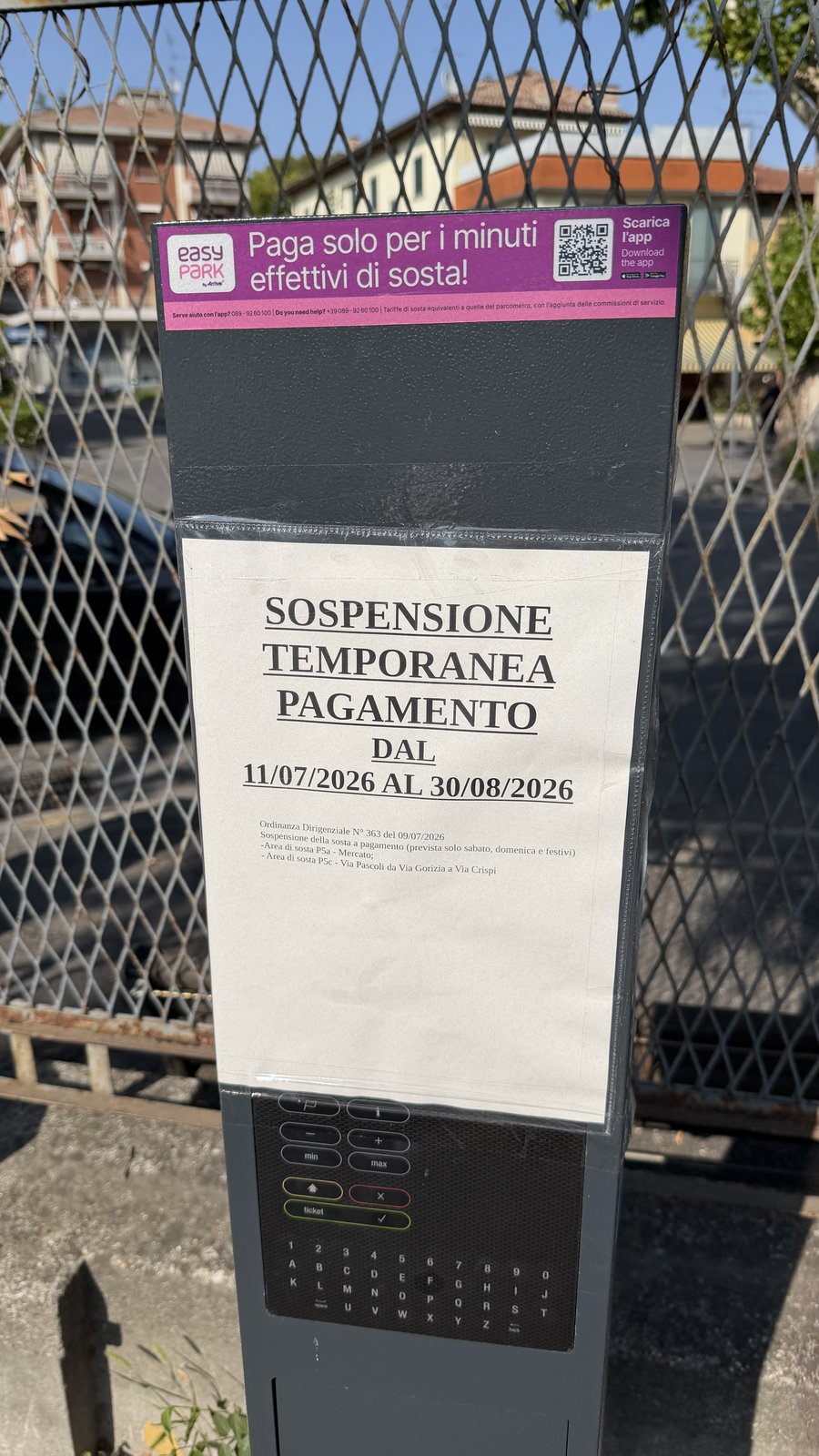
What should I order? Which wine pairs best? Is this regional? Is it worth the money? Which train should we take? Is there parking? How much walking is this? Is this attraction worth it? What am I looking at? Why is this famous? Explain this menu. Explain this wine list. Explain this museum. Explain this church. Explain this statue. Explain this cheese. Explain this balsamic vinegar. Convert Celsius to Fahrenheit. Convert kilometers to miles. Explain this parking sign. Find dinner nearby. Find a pharmacy. Write an email in Italian. Help fix my phone. Plan tomorrow.
None of those needed five different apps. They all started the same way — I just talked to it like it had been traveling with us the whole time. By the end of the trip, it basically had.
| What we needed | AI travel companion | |
|---|---|---|
| Translate a menu | Word-for-word translation | What the dish is, how it is cooked, whether it is worth ordering |
| Pick a wine | A list of unfamiliar grape names | Body, pairing, value — sometimes suggests the cheaper bottle |
| Plan a day | Five separate searches | One prompt, one itinerary |
| Read a sign or notice | Word-for-word, if it translates at all | What it actually means for you, right now |
| Remember what we liked yesterday | Never | Every day, automatically |
The longer the trip went, the better the help got. That is the actual story here — not that AI can translate a menu, but that it can travel with you.